

Google Pixel 6 and Whitechapel — why ditching Qualcomm is a big deal
Google Pixel 6 and Whitechapel — why ditching Qualcomm is a large bargain

Google is reportedly creating its ain system-on-chip for the Google Pixel 6. Codenamed Whitechapel, every bit reported past 9to5Google, the company is apparently working with Samsung for blueprint specifications and manufacturing. We don't know a whole lot about Whitechapel right now, but rumors nearly it take flown around for a piffling while.
Whitechapel stands to compete with Qualcomm and offer an feel alike to Apple'south Bionic fries for the iPhone 12. That's the dream, but I don't expect that to happen, at least not in the first generation.
- Android 12: All the new features
- OnePlus 9 Pro vs. Galaxy S21 Ultra: Which Android flagship wins?
With Google controlling the chip, that could also theoretically mean Apple tree-length support for Pixels since it'southward usually Qualcomm that gets in the way of long-term support on Android.
It would be a huge footstep away from Qualcomm'due south near monopoly (particularly in the United states) on powering Android phones, but things rarely piece of work out as we might hope. Google stands to gain a lot from Whitechapel, merely it could too all go downward in flames.
Why Whitechapel for Pixel 6 could be a large deal
Right now, nosotros know very little most Whitechapel. A report last year from Axios claimed that Google wanted to design its own scrap in collaboration with Samsung. The latter would take input, offer advice, and end upward manufacturing the chip on its fabrication process. This mysterious SoC would allegedly be an octa-cadre ARM blueprint and have a portion of information technology dedicated to an always-on Google Assistant.

Likewise that, we don't know much else. That said, Whitechapel could mean a whole lot for Google and Android equally a whole. For starters, Google having command over the hardware and software for Pixels could spell longer back up. Pixels currently become iii years of Os updates, which pales in comparison to how long Apple supports iPhones.
Qualcomm is a major hindrance in this update process, and so Google using its own chip for Pixels could issue in much longer back up. I doubtable that information technology wants to support its Pixels for longer, but it simply can't at this signal. If Pixels eventually approached the v- or six-year mark for platform updates, they'd be even easier to recommend to people.
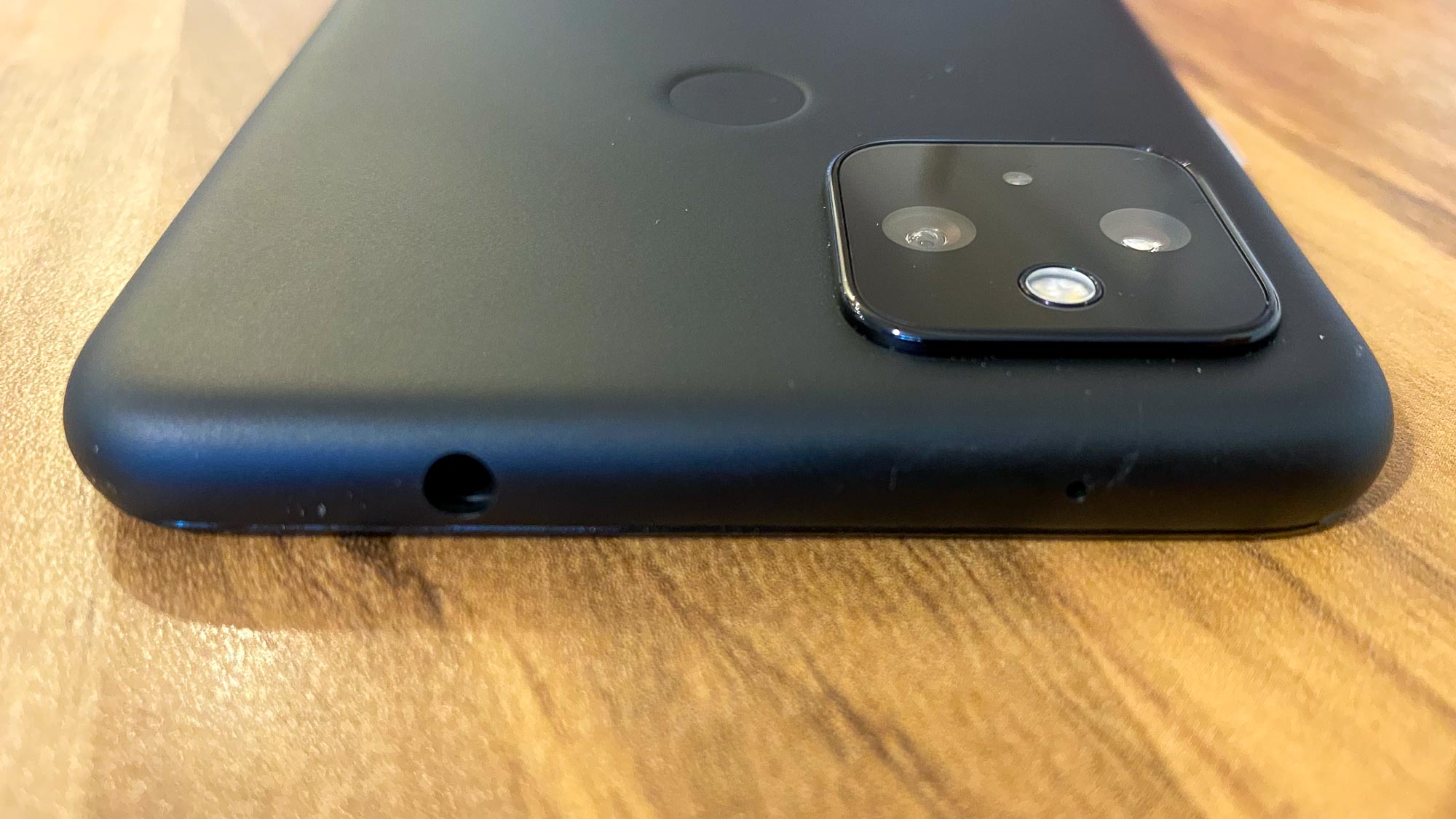
If Google's designs its ain bit, that would mean it could implement its own enhancements right on the dice. Every bit it stands now, Google adds additional elements to the Qualcomm chips it sources, such every bit the Neural/Visual Core and Titan M fries. With Whitechapel, Google could build those into the SoC itself, saving on PCB space in the phones themselves.
Finally, Whitechapel could mean a lower toll to produce Pixels. If Google controls the hardware, it'due south not jump to Qualcomm's sometimes loftier pricing. We could even come across Whitechapel in lower-tier Pixels, similar the A serial, if the cost to Google is low plenty.
What could go wrong with Whitechapel
With Samsung helping with the entire procedure, y'all tin look Whitechapel to feature at least some Exynos DNA. If those chips came anywhere close to matching Qualcomm'south functioning metrics, I'd be more excited. However, considering the Exynos letdowns in previous years, I tin't say that I believe Whitechapel will match the Snapdragon 888.
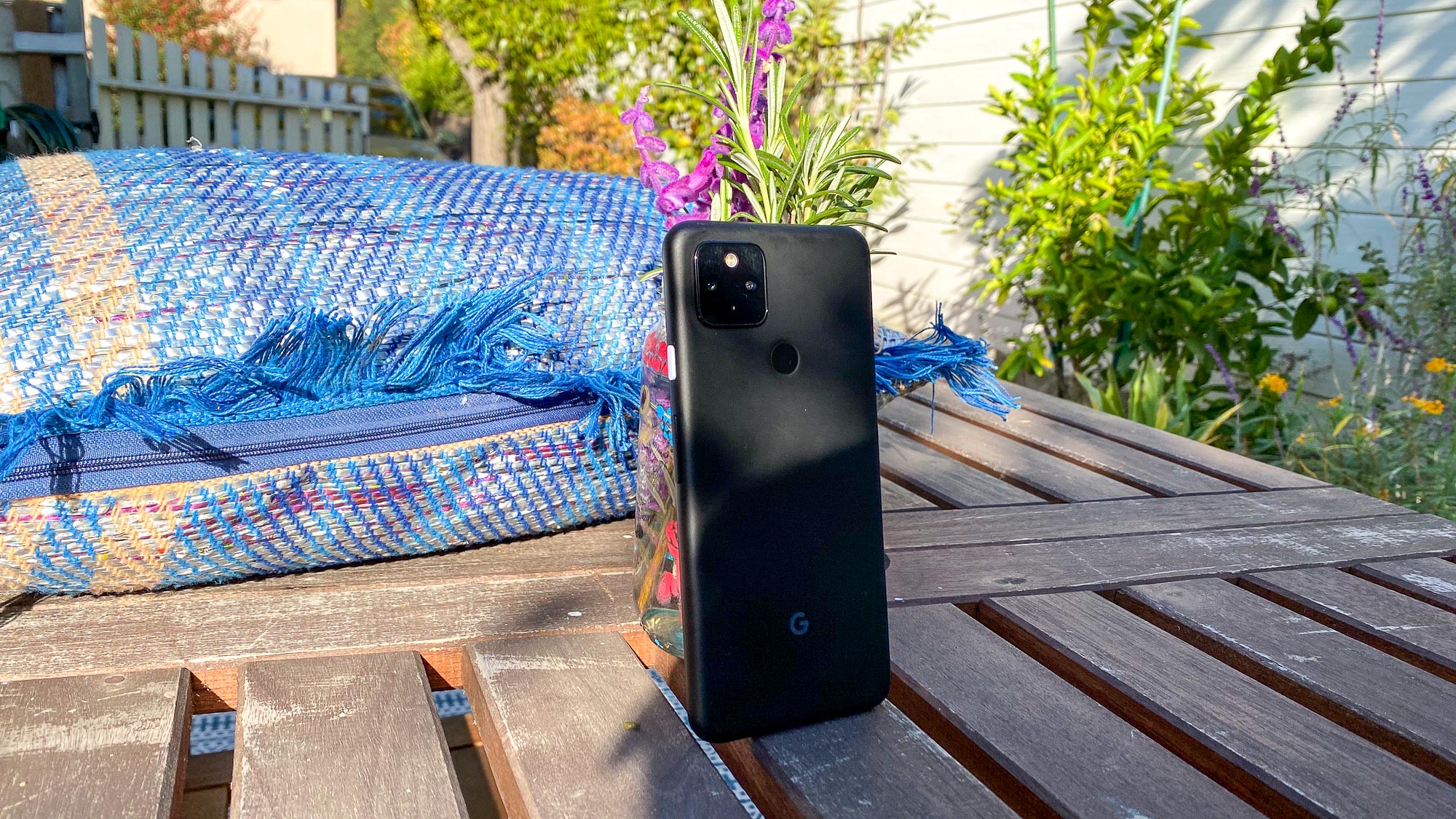
Going back to what I mentioned earlier, Whitechapel could equal cheaper Pixels, if Google sold huge numbers. But Pixels don't sell at near the aforementioned book equally iPhones or Galaxy devices, then Google going with its own chip could mean a higher cost since it doesn't sell handsets at the scale it might need to. We may non like admitting it, simply Pixels just don't mean much in the thousand scheme of smartphone sales.
I also have to wonder nigh Google'south quality command with Whitechapel. Having endemic many of the Pixels — and Nexuses before them — I know that QA is not Google's strong suit. Whether it was the display issues with the Pixel 2 Xl, cameras declining on the Pixel two, battery bleed on the Pixel 3, or the faulty hardware way back on the Nexus 6P, it'due south easier to list which Google phones oasis't had problems.
So while Google having more control over the Pixel (and possible Pixelbook) hardware could be good, it could besides be a pregnant trouble considering the company's track tape.
We won't know for sure until we go our hands on a Whitechapel device and come across how information technology performs long-term, but the apprehension remains all the aforementioned.
Pixel half-dozen Whitechapel outlook
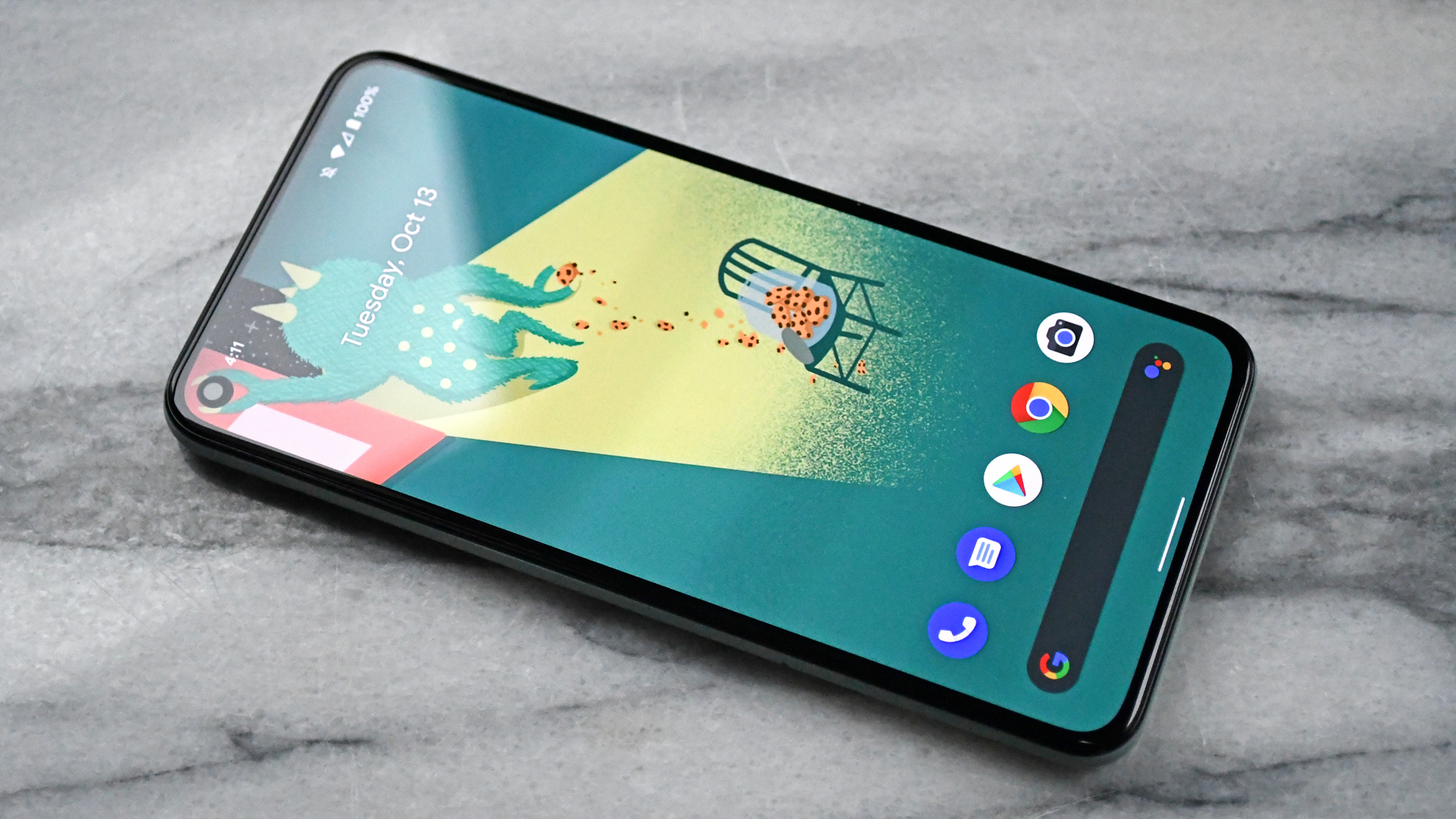
Whitechapel stands to be a big deal for Google and for Android enthusiasts, though it could also fail spectacularly. We just don't know much about it right at present, though we could possibly hear more than as the twelvemonth goes on. If 9to5Google'southward sources are correct, so we won't have to wait too long to find out — the Pixel 6 will arrive this fall.
I don't want to jump to conclusions, nor volition I say that Whitechapel volition affect Qualcomm (or even MediaTek) in whatsoever meaningful way. Pixels just don't sell in vast numbers, significant that Whitechapel won't ever friction match the Bionic series in terms of scale. That fact alone makes me skeptical that Whitechapel will atomic number 82 to lower-cost Pixels unless Google starts eating into its own profit margins.
While we might promise that Google and Samsung can muster something to rival even last yr'south Snapdragon 865, I call up information technology'southward all-time to atmosphere our expectations. The offset generation of anything is bound to have issues.
- More: Forget Samsung Milky way Z Fold three — this could exist Samsung's foldable tablet

Source: https://www.tomsguide.com/opinion/google-pixel-6-and-whitechapel-why-ditching-qualcomm-is-a-big-deal
Posted by: simontonalaines.blogspot.com
0 Response to "Google Pixel 6 and Whitechapel — why ditching Qualcomm is a big deal"
Post a Comment